Better builds. Clearer feedback. Stronger games.
I’m Tahnee Worland. I work across game QA, playtesting, production readiness and development — helping teams understand what players experience, what the build is doing, and what needs attention next.
More than finding bugs.
Good QA is part detective work, part communication and part production awareness. I look at player experience, technical behaviour, project requirements and delivery risk together — then make the next step clearer.
QA & Playtesting
I test the build, observe the player, document what happened and turn that evidence into useful next actions.
Production, Risk & Compliance
I keep milestones, documentation, platform requirements and delivery risks visible before they become expensive problems.
Development
My experience with programming, engines, implementation and 3D makes technical communication practical rather than abstract.
What I tested, changed and helped move forward.
This is where I unpack the work behind the builds: the decisions, testing and development contributions that made a practical difference to each project.
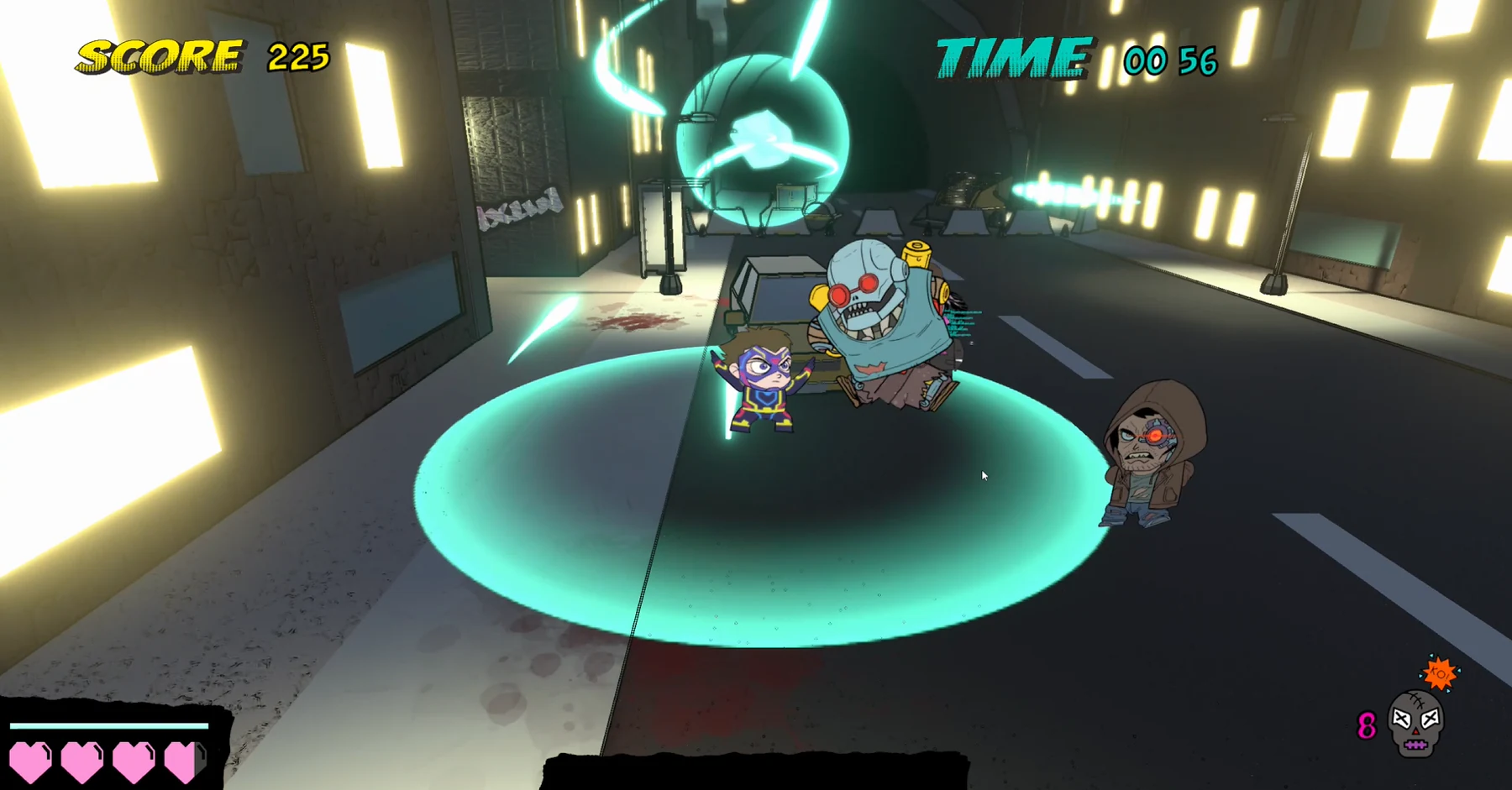
PLAYTESTING CHANGED THE BUILD
Ka-Pow City!!
A flagship case study connecting playtesting to sprint priorities, smarter enemy movement, engine decisions and hands-on Unity development.
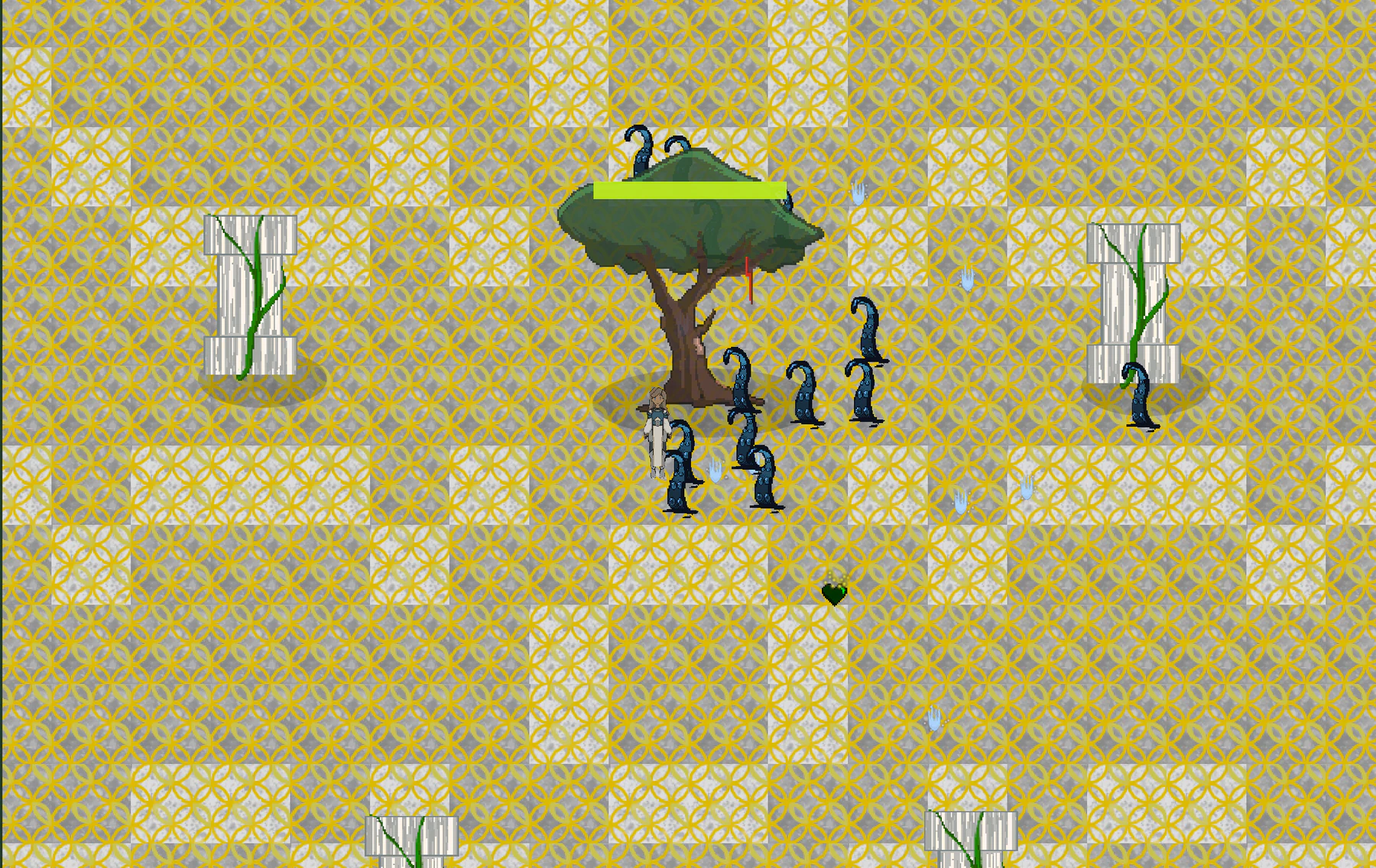
Sanctum of the Evergreen Solitude
Defend a sacred sanctuary using movement, projectiles and time-rewind mechanics.
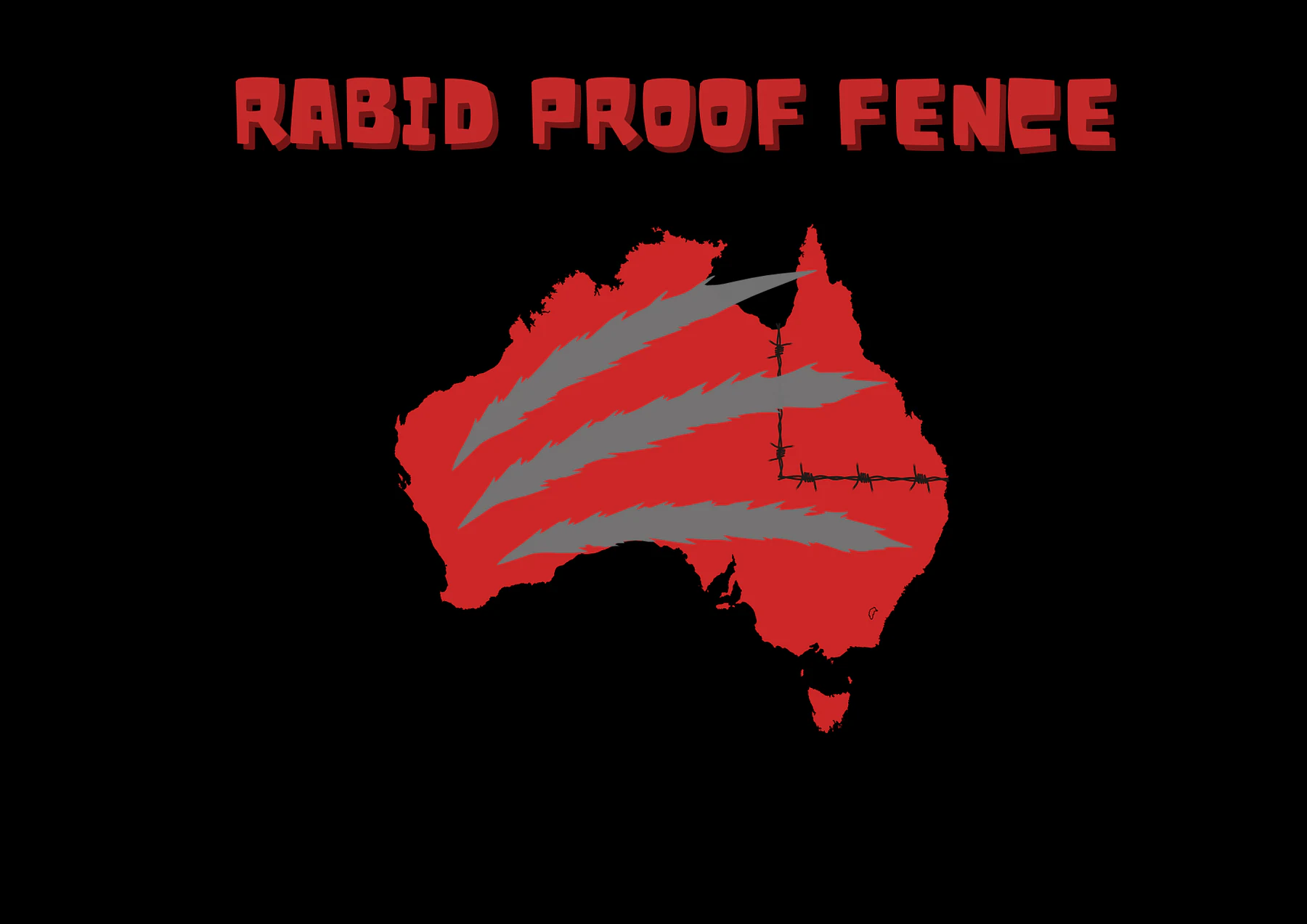
Rabid Proof Fence
Keep the fire alive, recover your GPS and survive the outback after dark.
Woodland Worth
Grow the farm, defend your resources and shout down the insurance brokers.
Playable means playable.
See the games in action.
This section has one job: launch the browser builds. No case-study copy, no repeated role lists — choose a game and play.
I’ve swapped the playable builds for gameplay videos on smaller screens, so you can still see what they’re like without fighting desktop controls on your phone. If you’re visiting on a desktop, you can jump into some of these and play them right here.
From observation to action.
This repeatable pattern turns QA from a claim into something a studio, producer or hiring manager can actually inspect.
What were we trying to validate?
What actually happened in the build?
Why did it matter to the player or project?
What should the team do next?
What changed after the evidence?
Testing notes with the detail left in.
This is where I leave the detail in: how I approached the build, what surfaced during testing and what I learned along the way.
A few things you might want to know.
Here are the questions I’d expect before we chat — with honest answers and links to the work behind them.
01What kinds of game roles are you looking for?
I’m most at home in game QA and playtesting, hybrid QA and development roles, and work that needs a production-readiness mindset. I’m especially useful when a team needs someone to connect what the player feels, what the build is doing and what should happen next.
Explore QA and playtesting →02Do you have hands-on engine and development experience?
I do. I’ve worked across Unity and Unreal projects, programming, 2D rigging and animation workflows, 3D assets, level implementation, source control and practical debugging. That experience helps me have useful conversations with developers instead of treating the technical side like a black box.
See the development capability →03Where can I see evidence of your QA work?
A good place to start is the Ka-Pow City case study, where playtesting changed our sprint priorities and enemy navigation. My Dolven QA note goes deeper into more than 12 hours of exploratory and focused testing across eight playthroughs, including balance, pacing, integrations and technical friction.
Read the QA evidence →04Can I actually play the games here?
Yep. If you’re on a desktop, some of the browser builds launch right here in the portfolio. On smaller screens, I’ve swapped them for gameplay videos so you can still see the games in action without trying to wrangle desktop controls on your phone.
Open the playable game library →